In heavy manufacturing, moving large four point press components is often just as complex as building the press itself.
From massive crown assemblies and oversized beds to precision machined slide systems, modern press equipment pushes the limits of transportation engineering. Before a press ever enters production, every component must survive a carefully planned heavy haul operation designed to protect both structural integrity and dimensional accuracy.
Four point press systems are widely used across automotive, aerospace, appliance, energy, and structural steel industries because they provide superior load distribution, reduced deflection, and higher forming precision on large parts. That performance comes with scale.
Many components weigh hundreds of tons and exceed standard transportation dimensions, requiring specialized trailers, engineered supports, crane coordination, and detailed route analysis.
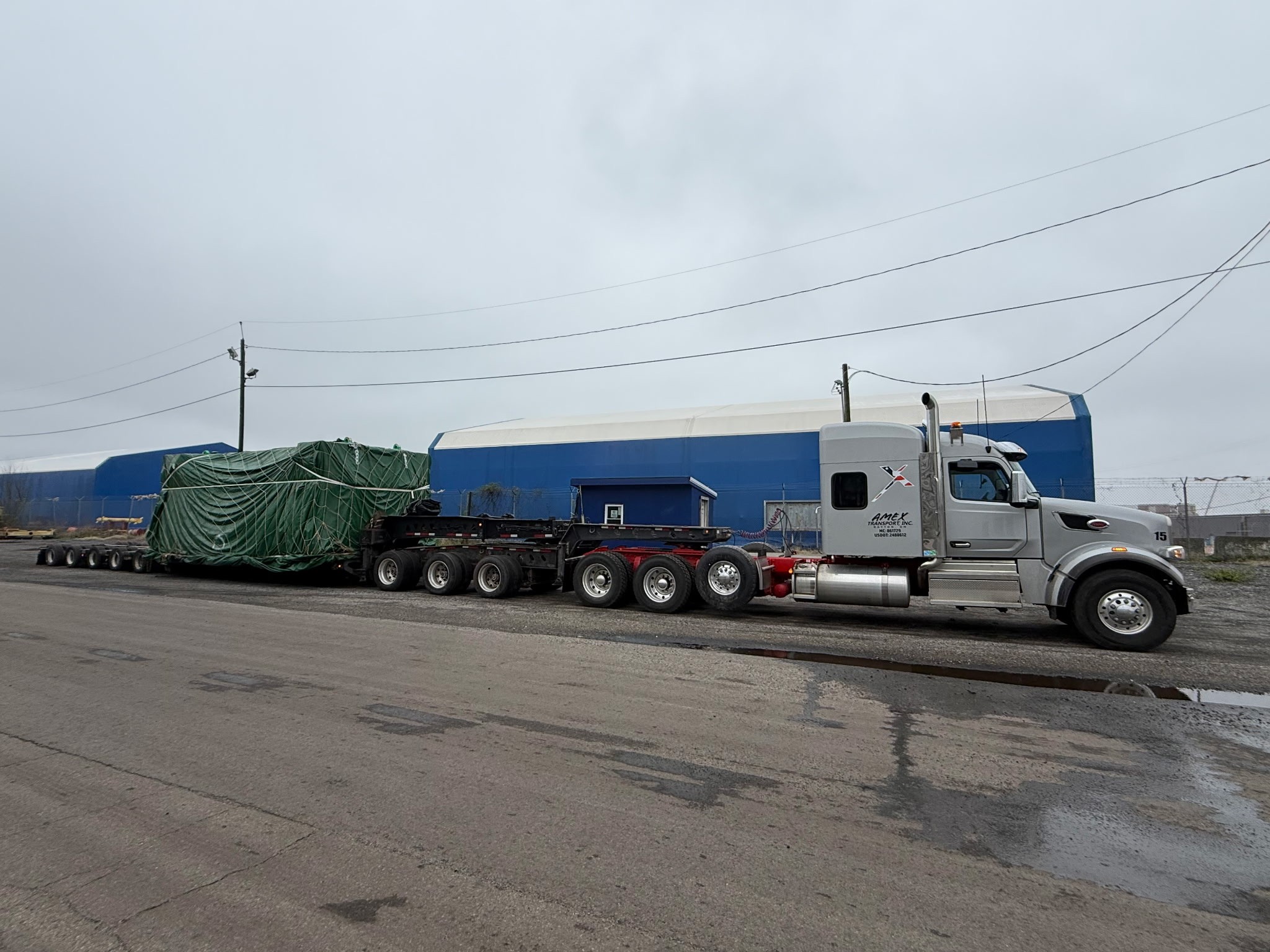
Transporting large press components is far more than moving equipment from one location to another. Every haul becomes a coordinated engineering operation involving:
• Structural load calculations
• Center of gravity analysis
• Route planning
• Bridge and roadway restrictions
• Crane synchronization
• Vibration control
• Precision lifting procedures
Most projects require multi axle hydraulic trailers, escort vehicles, custom transport cradles, and crane assisted loading and unloading systems.
In many cases, transportation routes are digitally mapped before movement begins to ensure oversized components can safely navigate turns, inclines, utility lines, and bridge crossings.
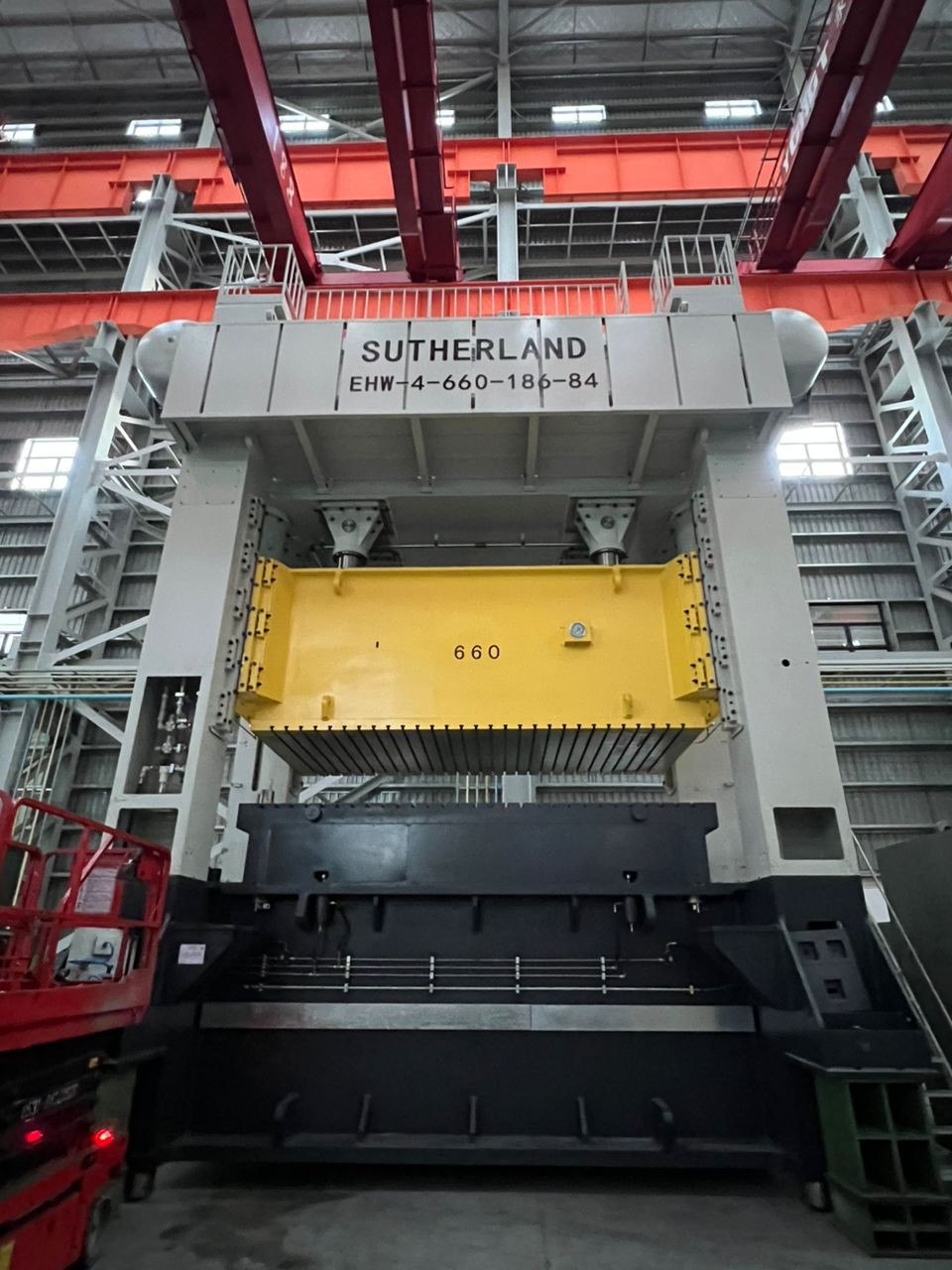
Large press systems are measured in hundreds of tons, but transportation tolerances are often measured in millimeters.
Machined surfaces, alignment critical structures, and load bearing assemblies must be protected throughout transit. Even minor distortion can impact long-term forming accuracy and installation alignment.
To minimize risk, heavy haul specialists directly with press manufacturers to develop:
• Engineered support systems
• Custom tie down points
• Load balancing strategies
• Precision lifting plans
• Vibration reduction methods
Every move is calculated to protect the final performance of the press system.

Manufacturers continue investing in:
• Larger body panels
• Higher tonnage applications
• Increased automation
• Faster production rates
• More advanced forming capabilities
As a result, demand continues rising for:
• Large mechanical presses
• Servo hydraulic press systems
• Heavy duty forging presses
• Integrated automation lines
With larger equipment comes greater transportation complexity and more advanced logistics planning.
Heavy haul providers are increasingly using:
• GPS monitored transport systems
• Digital route simulations
• Real time load analytics
• Modular transport platforms
• Advanced hydraulic steering systems
These technologies improve safety, reduce transportation risk, and help manage oversized industrial projects more efficiently.
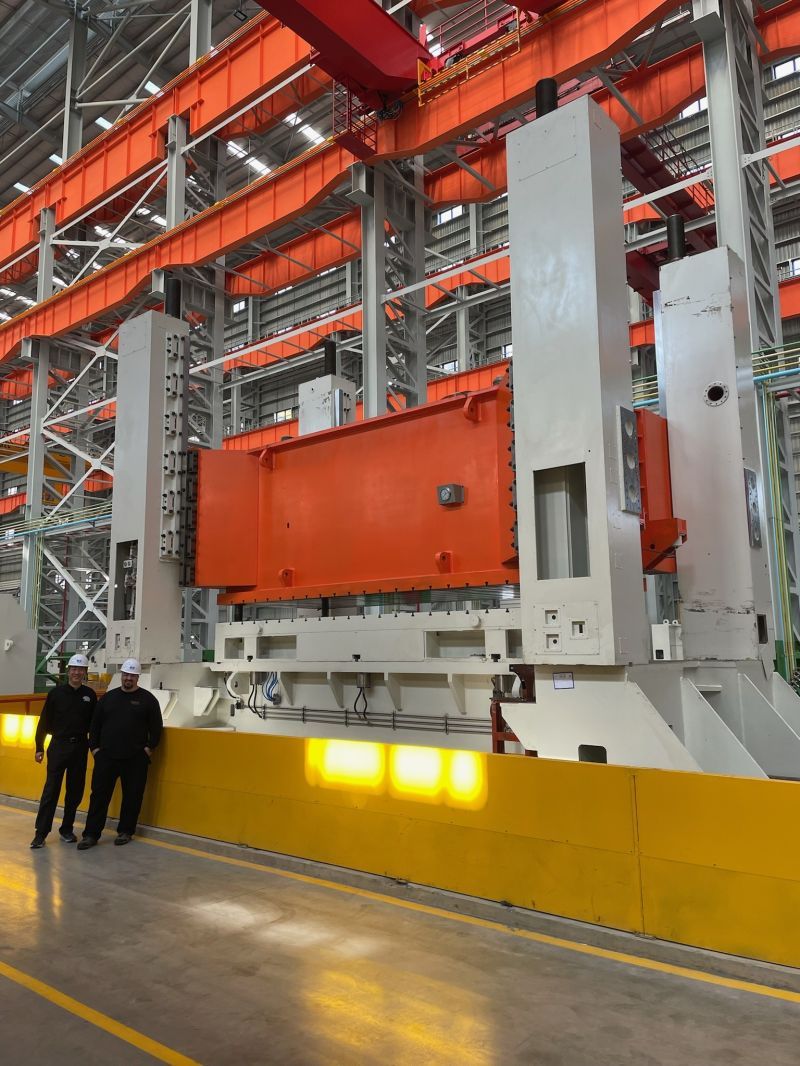
Once components arrive onsite, installation becomes the final precision challenge.
Large press installations often involve synchronized crane lifts, hydraulic gantries, laser alignment systems, and multi crew coordination operating under strict tolerances.
For major projects, installation may continue around the clock until the system is fully assembled and aligned.
When complete, the finished four point press represents not only manufacturing capability, but also the engineering and logistics expertise required to move and install equipment of this scale.
As industrial equipment continues growing in size and complexity, transportation planning is becoming an increasingly important part of the manufacturing lifecycle.
Behind every large press installation is a heavy hauling operation built on engineering, planning, precision, and execution.
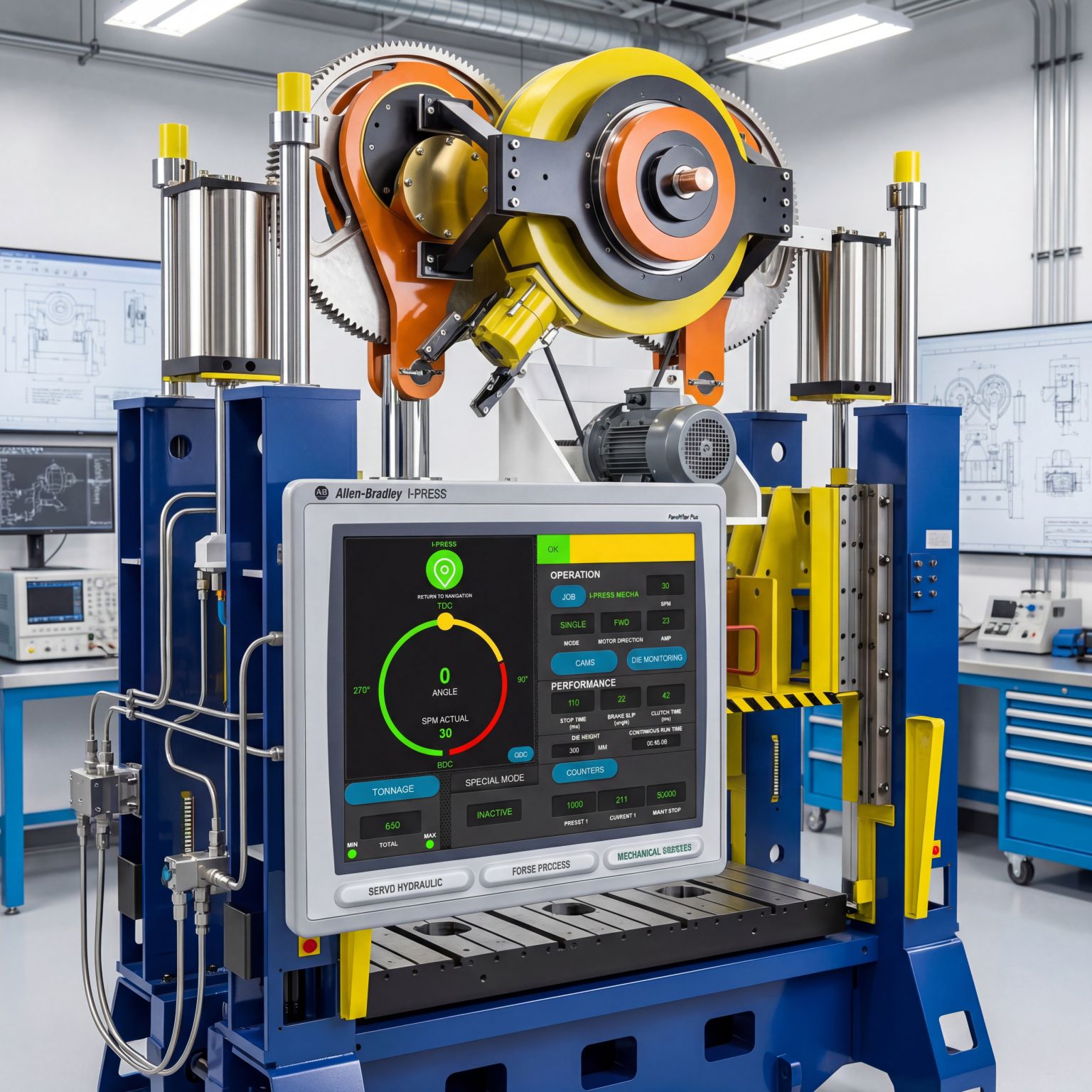
Successful press transportation requires coordination between engineering, rigging, logistics, and installation teams. With experience supporting large-scale press projects across North America, Sutherland helps manufacturers move critical equipment safely, efficiently, and with minimal disruption to operations.
📞 Reach out to Team Sutherland to learn more:
Email: Info@SutherlandPresses.com
Phone: +1-310-453-6981


In heavy manufacturing, moving large four point press components is often just as complex as building the press itself.
From massive crown assemblies and oversized beds to precision machined slide systems, modern press equipment pushes the limits of transportation engineering. Before a press ever enters production, every component must survive a carefully planned heavy haul operation designed to protect both structural integrity and dimensional accuracy.
Four point press systems are widely used across automotive, aerospace, appliance, energy, and structural steel industries because they provide superior load distribution, reduced deflection, and higher forming precision on large parts. That performance comes with scale.
Many components weigh hundreds of tons and exceed standard transportation dimensions, requiring specialized trailers, engineered supports, crane coordination, and detailed route analysis.


